
Sponsored by ECOVACS
The 2026 ECOVACS Robot Vacuum & Window Robot Buying Guide
From high-performance robot vacuums with roller mopping systems to fully automated window-cleaning robots, here’s how to choose the right ECOVACS cleaner for your home.
Published by PCWorld on March 6, 2026.
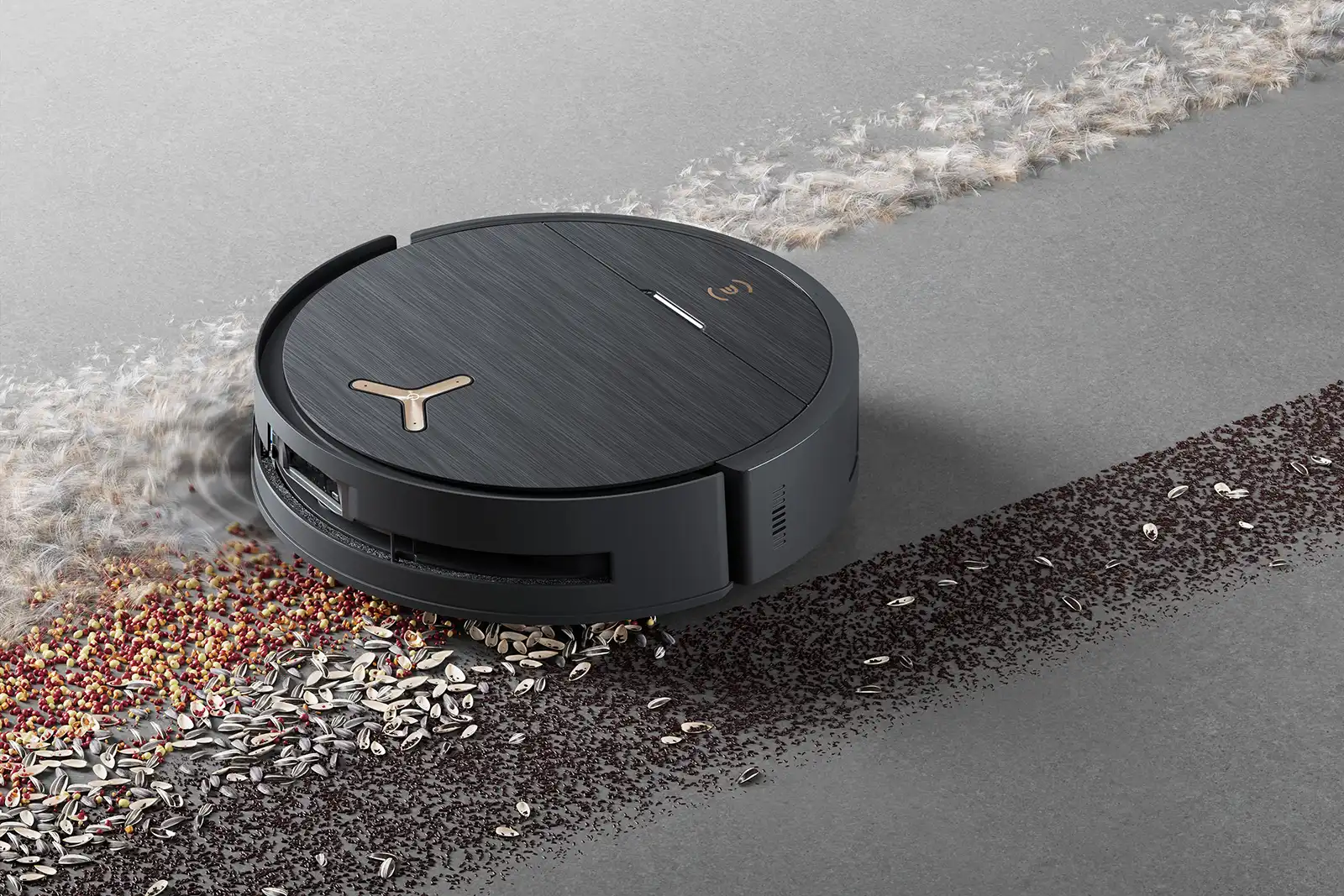
A clean home rarely stays that way for long. Pet hair quickly gathers on carpets, dust settles almost as soon as you’ve lifted the duster, hardwood floors begin showing footprints, and sticky fingers make a mess of glass door panels and windows in your otherwise tidy home.
The real frustration isn’t cleaning itself – it’s having to do it all over again tomorrow. ECOVACS’ robot vacuum and window cleaners break that cycle. Its DEEBOT floor-cleaning robots and WINBOT window cleaners can help you keep your home looking consistently clean, without giving up your weekends to keep it that way.
ECOVACS
ECOVACS Robot Vacuum and Window Cleaning Solutions – Overview
What Matters When Choosing a Robot Cleaner?
If robots are designed to make cleaning your home feel less like a constant chore, in deciding which model to buy you should begin by considering your biggest pain points: where do you spend the most time cleaning?
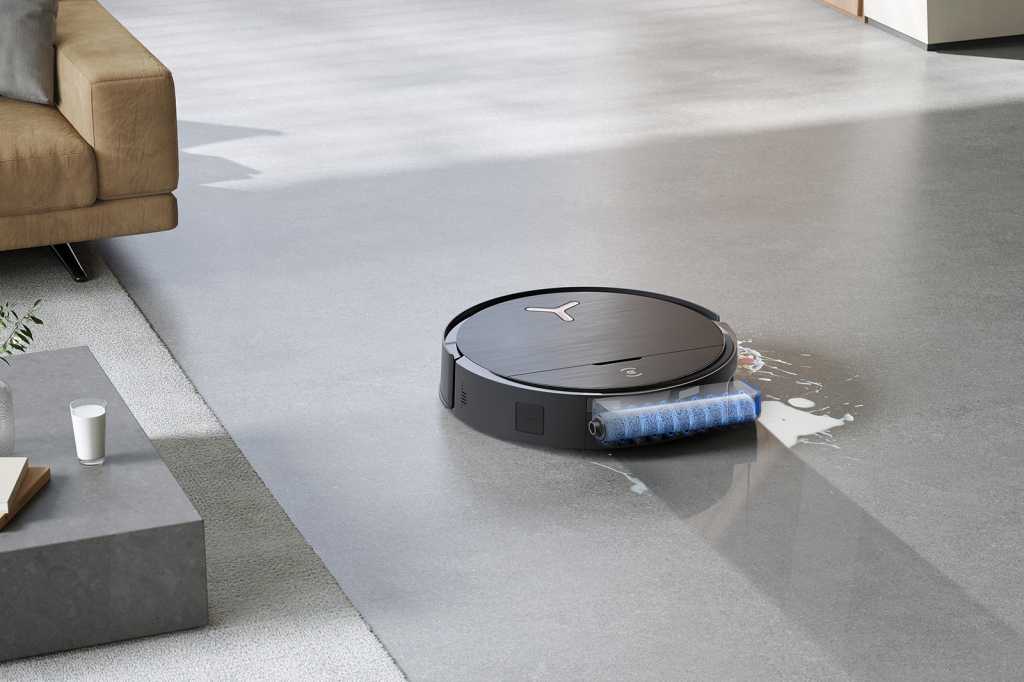
If you want to keep your hard floors looking pristine, opt for a robot vacuum that has good mopping features. ECOVACS’ OZMO Roller system applies consistent pressure across the entire floor surface. It also continuously self-cleans during operation, preventing dirty water from being spread across the floor, which results in stronger and more hygienic mopping performance compared to traditional dual-pad systems. Robot vacuums with TruEdge can get closer to baseboards and clean right into the corners where dirt tends to build up.
If carpets and pet hair are your biggest frustration, suction and airflow design should be high up your priority list. DEEBOT robot vacuums that use BLAST airflow technology are able to more efficiently pick up dirt and debris from both hard floors and carpets. The top models in the line feature strong mopping functionality, so you don’t have to sacrifice floor-washing skills for improved vacuuming performance.
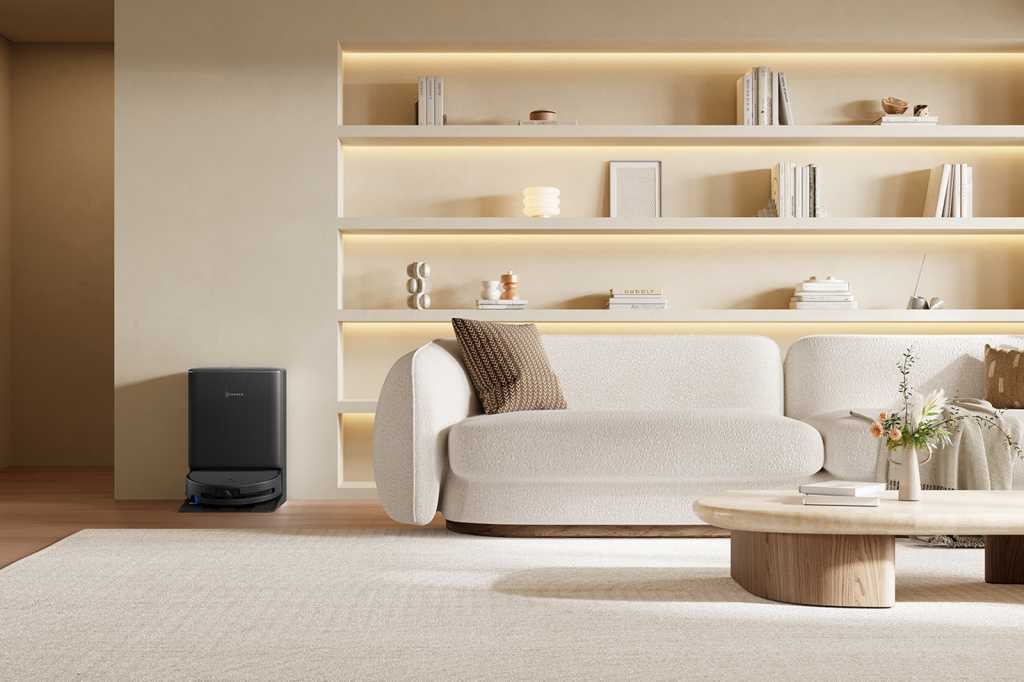
If you have a large home, battery life and charging speed should be a priority – even better if the robot can self-dock for charging and clean itself up while it’s there, before it sets off again to finish the cleaning job. ECOVACS’ PowerBoost tech enables faster charging, while its OMNI and OmniCyclone docking stations automate maintenance tasks like cleaning the water and emptying the dust box.
If you have large windows or struggle to access them upstairs, keeping them spotless is not just a pain but logistically tough. Here, robotic window cleaners can automate safer and much regular glass care.
ECOVACS
Choose your ECOVACS Robot Vacuum or Window Cleaner
| Cleaning Challenge | Recommended Solution | Why it Works |
|---|---|---|
| Heavy pet hair on carpet | DEEBOT T90 PRO OMNI | High suction, strong airflow |
| Large, multi-room home | DEEBOT X11 OMNICYCLONE | Faster charging, automated cleaning and device maintenance |
| Mixed floors, routine schedule | DEEBOT X9 PRO OMNI | Easily adjusts to mixed flooring, automated cleaning and device maintenance |
| Hard floors that show dirt quickly | DEEBOT T80 OMNI | Strong suction, roller mopping |
| Large glass doors or upper windows | WINBOT W3 OMNI | Strong suction grip, automatic pad cleaning |
| Regular glass maintenance | WINBOT W2S OMNI | Automated window cleaning with a simpler docking system |
DEEBOT X11 OMNICYCLONE – for larger homes that want cleaning handled in the background
ECOVACS
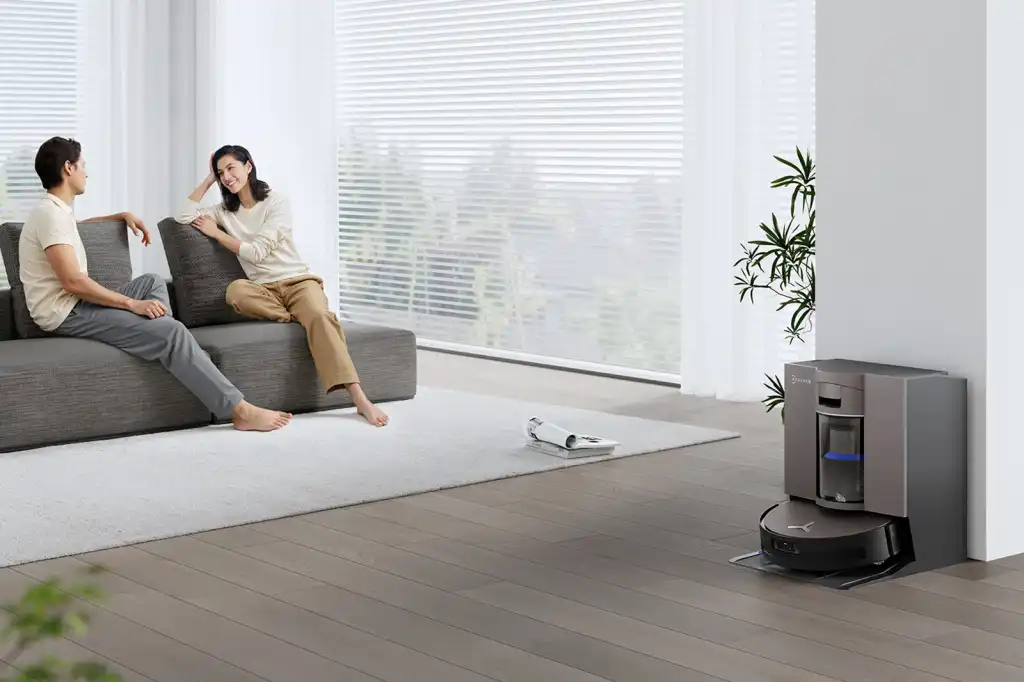
The DEEBOT X11 OMNICYCLONE is ECOVACS’ top floor-cleaning system. It combines powerful airflow vacuuming with roller mopping and a dock for automated cleaning and maintenance. It’s suited to homes that need daily cleaning.
If you’re always having to deal with pet hair lining your baseboards, crumbs littering the cracks of your mixed-level flooring, or generally struggling to keep your floor looking clean for more than 24 hours, this is the model for you. The BLAST airflow tech can suck up dirt buried deep in your carpets, while the OZMO roller mop will keep your hard floors looking fresh. With TruEdge this robot can reach right into the corners or to the very edges of the room, leaving no mess behind.
The OmniCyclone docking station takes care of routine maintenance using a bagless cyclone system designed to separate dust efficiently without the need for disposable dust bags. PowerBoost fast charging also helps the robot get back to work quickly, which can make a real difference when cleaning larger homes.
This is the right choice for larger or high-traffic homes where you want floors to look consistently clean without spending your weekends vacuuming and mopping – but if you have an apartment or it’s just you living there, it is likely to be overkill. Choose the DEEBOT X11 OMNICYCLONE for a hands-free approach to daily floor cleaning.
DEEBOT T90 PRO OMNI – for busy family homes with pets and mixed flooring
ECOVACS
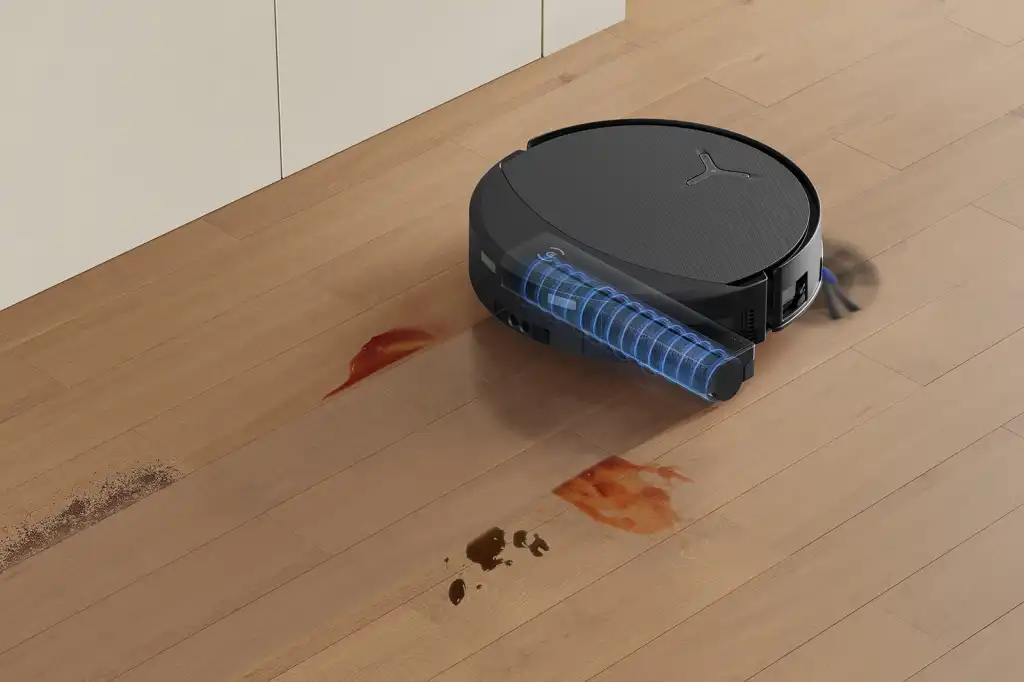
The DEEBOT T90 PRO OMNI combines very strong suction with an upgraded OZMO Roller 3.0 roller mopping system, making it ideal for homes where mess is just a part of normal daily life. There’s 30,000Pa suction and high airflow, so it’s quite capable for cleaning hard floors but really comes into its own when sucking up pet hair, crumbs and other dirt buried in your carpets, with ZeroTangle 4.0 tech preventing hair from jamming it up.
A major upgrade here is OZMO Roller 3.0, which uses a longer 27cm pressurized roller designed to maintain more consistent contact with the floor while it cleans. The result is more even washing across hardwood and tiled flooring, helping remove everyday grime rather than simply pushing it around. It also has TruEdge tech, so it can clean to the very edges of the room and into the corners.
PowerBoost fast charging helps the robot recharge quickly and get back to work, which can make a real difference in larger homes or busy households where cleaning cycles may run more than once a day.
The DEEBOT T90 PRO OMNI is ideally suited to families who have a mix of carpeted rooms and hard flooring, and both kids and pets contributing to the build-up of dirt and grime. It’s likely to be overkill for apartments or smaller households. Choose it if you want a system that can keep up with everyday mess.
DEEBOT X9 PRO OMNI – for households that want predictable, routine cleaning
ECOVACS
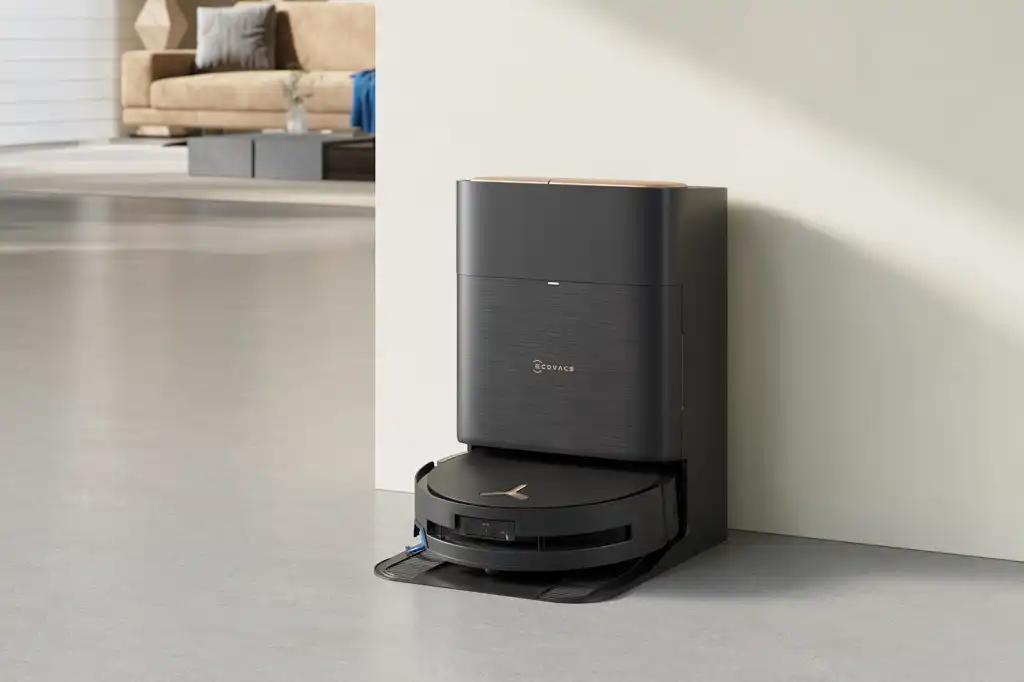
The DEEBOT X9 PRO OMNI is designed for households that want to schedule regular cleaning without constantly checking up on the robot. It can vacuum and wash your floors in one pass, combining BLAST airflow suction for powerful debris pickup with OZMO Roller mopping to keep hard floors looking freshly cleaned. These are the same core cleaning technologies used in ECOVACS’ top floor-cleaning models.
Particularly interesting here is the Triple Lift system, which effectively means it will more efficiently move between carpets and hard floors, automatically lifting the mop so you don’t end up with soggy carpets – all without you needing to watch it like a hawk or jump in to save your favorite rug. It also comes with an OMNI docking station that will empty the dust box and clean up the mop, so it’ll keep washing your floors and vacuuming your carpets without you needing to intervene.
The DEEBOT X9 PRO OMNI is best for homes with mixed flooring types, and for users who want to set it and forget it. Those who want an even simpler setup may prefer a non-PRO model. Choose it if you want your hard floors and carpet to stay clean with minimal personal input.
DEEBOT T80 OMNI – for practical, everyday hardfloor maintenance
ECOVACS
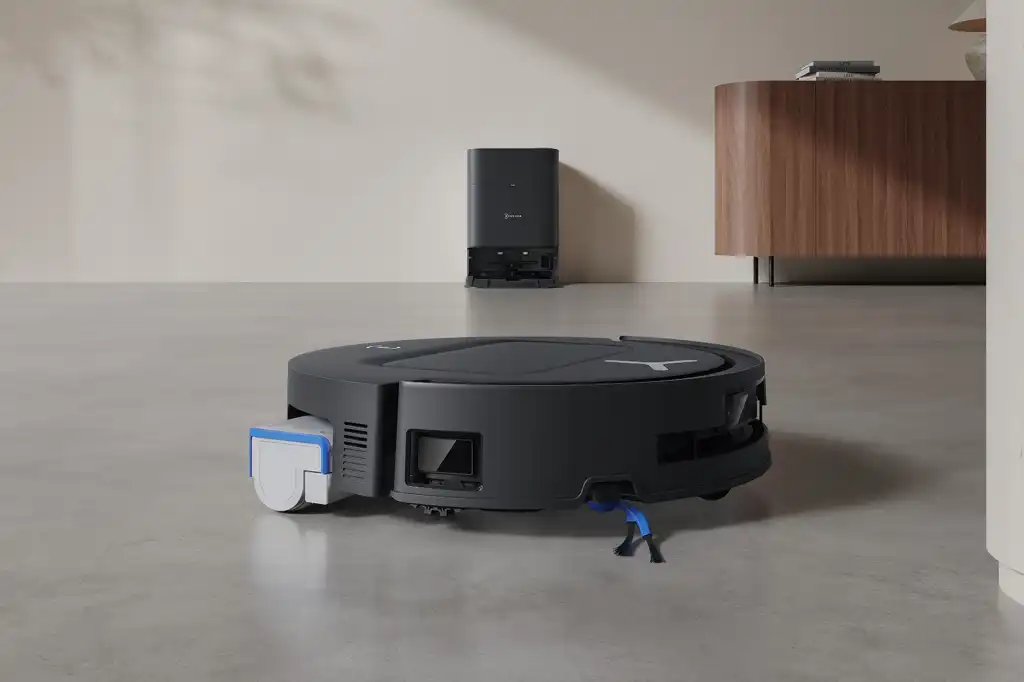
The DEEBOT T80 OMNI is built for everyday cleaning in homes with more hard floors than carpet. With 18,000Pa suction it provides strong pickup for wooden or tiled floors, while OZMO Roller mopping helps keep those surfaces looking consistently clean by washing away everyday dust, footprints and light dirt.
This robot comes into its own in homes where visible dust or footprints quickly remove that just-cleaned look. Instead of letting dirt build up until a deep clean is needed, the T80 OMNI is designed to stay on top of daily maintenance, helping your floors look fresh every day.
The included OMNI station automatically empties the dust box and maintains the mop, so you can step away and let the robot do its thing.
The DEEBOT T80 OMNI is for those who want dependable daily cleaning without paying for high-end features they won’t use. It delivers balanced performance within its class, making it a practical option for keeping hard floors consistently clean. It’s not for large, heavily carpeted homes. Choose this robot if you want clean floors without lifting a finger.
WINBOT W3 OMNI – for fully hands-free window cleaning
ECOVACS
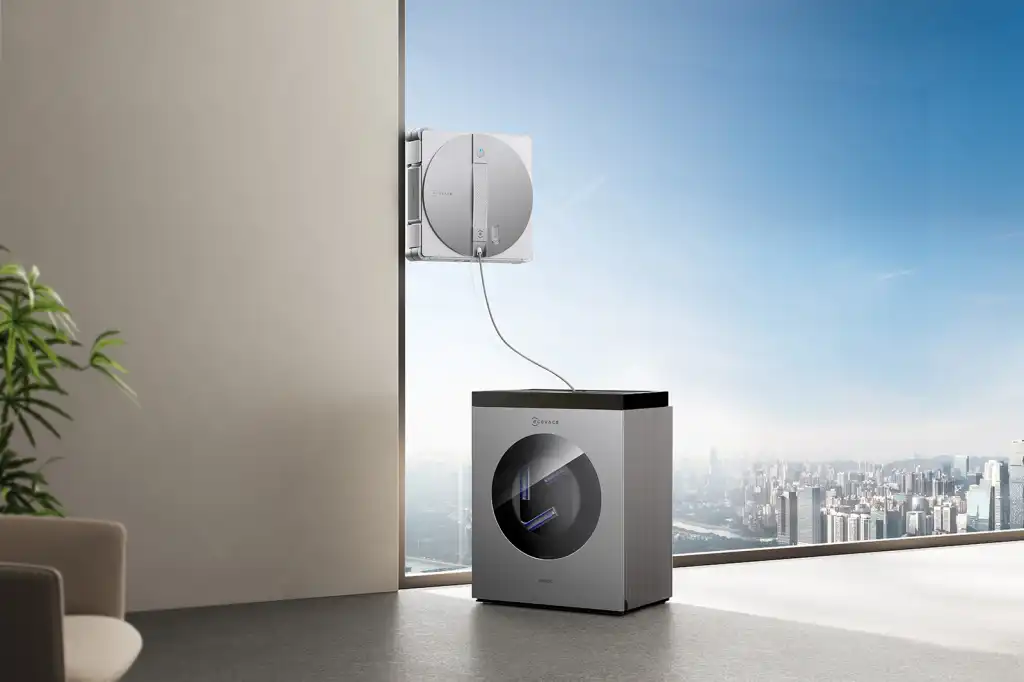
The WINBOT W3 OMNI is a robotic window cleaner that can take one of the most commonly neglected chores off your list. It sticks like glue to your windows with 10,000Pa suction, and built-in pressure monitoring and layered safety protections mean it will stay stuck while it works.
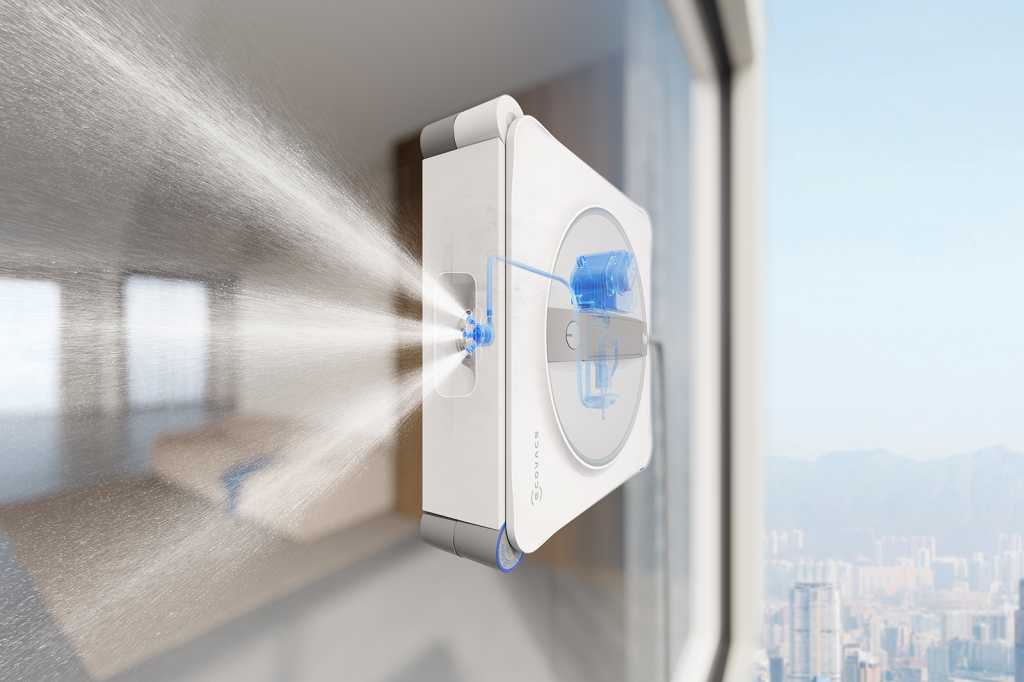
One of its standout features is the three-nozzle wide-angle spray system, which evenly distributes cleaning solution across the glass to help prevent streaks before the pads start wiping. It also includes Vortex Wash automatic pad cleaning, which refreshes the wiping pads inside the docking station so they’re ready for the next cleaning cycle without you needing to rinse them yourself. WIN-SLAM 5.0 navigation then figures out the most efficient path across your window, no matter its size or shape.
This robot is useful for cleaning large sliding doors, sunrooms, and awkward-to-reach upstairs windows. The WINBOT W3 OMNI makes the most sense for homes that have lots of large windows, but is over the top for small, easily accessible windows. Choose it if you want consistently clean windows without having to climb a ladder and do it yourself.
WINBOT W2S OMNI – for straightforward automated glass cleaning
ECOVACS
The WINBOT W2S OMNI is a robotic window cleaner designed to help keep your windows looking spotless without requiring a complicated setup. Like its sibling, it grips firmly to glass surfaces, and its intelligent cleaning modes map out efficient paths across your windows to remove dust, pollen and fingerprints as it moves.
A key benefit here is improved edge coverage thanks to ECOVACS’ TruEdge technology, which allows the robot to clean closer to frames and corners where dirt tends to collect. Combined with its wide-angle spray and systematic navigation, this helps ensure more of the glass surface gets properly cleaned each time.
The WINBOT W2S OMNI is suited to users who want to automate window cleaning but are happy to handle simple maintenance like rinsing the pads between jobs. It might still be overkill if you have only small, easily accessible windows, while those who want fully hands-free window cleaning should look to the W3. Choose it if you want consistent, repeatable window cleaning with less effort.
FAQ
What does ‘Pa’ suction mean, and why does it matter?
Pa (Pascal) measures the suction strength of a vacuum. Higher Pa – such as the 30,000Pa found in the DEEBOT T90 PRO OMNI – can more effectively pull embedded dirt and pet hair from carpets. Suction is only half the story when it comes to vacuuming performance, and the airflow design and brush quality also play a part.
How does roller mopping differ from traditional mopping?
ECOVACS DEEBOT robot vacuums use OZMO Roller technology in place of mopping pads. The roller allows the robot to apply consistent mopping pressure across the floor surface. It can also wash itself during operation, stopping the robot dragging dirty water across your clean floors.
Will a robot vacuum work on both carpet and hardwood?
Yes, but some robot vacuums are better able to handle mixed flooring than others. Robots like ECOVACS’ DEEBOT X9 PRO OMNI use a system called Triple Lift surface separation and AI navigation to detect any changes in floor levels and automatically adjust themselves. Selecting a model with strong suction and a roller mop can also help to clean up dirt embedded deep in your carpets or where the floor surface is uneven.
What is an OMNI or self-cleaning station, and do I need one?
An OMNI station is included with the DEEBOT T90 PRO OMNI, X9 PRO OMNI, and T80 OMNI and is a multifunction dock that empties the dust box, washes and dries the mop, and manages water levels. The OMNI collects dust in a bag, while the OMNICyclone dock supplied with the X11 OMNICYCLONE is a bagless model. Both remove the need for you to intervene as often as you would with a model that doesn’t have a docking station.
How often should I run my robot vacuum?
Busy homes, and especially those with pets, kids, or frequent footfall, should ideally run their robot vacuum daily or at least every other day. Robot vacuums are best at preventing build-up than deep cleaning.
Does a robot vacuum replace a traditional vacuum or mop?
No. Robot cleaners are ideally suited to ‘top-up cleans’, meaning you don’t have to do a deep clean nearly as often.
How do robot window cleaners stay attached to glass?
The WINBOT W3 OMNI and WINBOT W2S OMNI use powerful suction to securely grip glass surfaces. The W3 OMNI adds additional safety features to monitor suction pressure and prevent it slipping, even on large panes or vertical windows.
Are robotic window cleaners safe for upstairs windows?
Yes. WINBOT robots use high suction power to securely grip the glass, and the W3 OMNI has additional safeguards for monitoring and maintaining that attachment while cleaning. This means it will stay firmly attached during use – but you should always follow the setup and safety instructions, particularly for upper-floor windows.
Will robotic window cleaners work on all glass types?
Yes. ECOVACS’ WINBOT W3 OMNI and W2S OMNI can be used on standard window glass, framed sliding doors, and even bathroom mirrors. However, performance can vary on textured or frosted glass.